The American-Brazilian Aesthetic Meeting® provides plastic surgeons with a dedicated environment in which to study new techniques, discuss ideas with their international peers, and form relationships with leading figures in the field of aesthetic medicine. Taking place every winter in Park City, Utah, ABAM gathers more than 100 speakers and professionals from over 20 countries for the purpose of surgical education, practical hands-on learning, and open clinical discussion.
Each year the plastic surgery conference features a scientific programme on a global scale together with the opportunity for attendees to interact directly with the faculty that is typical of a smaller, specialized conference. During the event, participants will be able to examine advances in aesthetic surgery and at the same time obtain insights from specialists in dermatology, facial plastic surgery, oculoplastic surgery and nonsurgical aesthetics.
Dr. Renato Saltz, a plastic surgeon of American and Brazilian origin, founded ABAM in order to establish a collaborative forum through which leading experts from different countries and specialties could share their knowledge. The conference was originally held in alternate years in Brazil and Park City, but currently takes place in Utah each winter.
The international foundation is still at the heart of the experience. Surgeons from the United States, Brazil, Mexico, Turkey, France, Spain, Italy, the United Kingdom, Argentina, Australia, and other countries contribute different kinds of training, techniques, and clinical viewpoints to the same discussion.
As a result of that exchange, plastic surgeons gain a broader understanding of aesthetic surgery. They are able to compare the different methods, look at the way their colleagues deal with common problems, and then think about which of these ideas might be useful in their own practices.
ABAM is tailored to surgeons who desire education that is relevant to clinical practice and also want to have direct professional interaction. The conference provides the following opportunities:
Plastic surgery advances as a result of the sharing of technical knowledge, clinical judgment, and experience. ABAM combines these factors by organising presentations, panels, workshops, and discussions which are given by faculty members from various specialties and areas.
Plastic surgeons have the chance to look at existing methods, cutting-edge techniques, the processes involved in clinical decision-making, and the various ideas that affect aesthetic surgery. The sessions are intended to promote discussion rather than just providing information from the stage.
The involvement of international participants provides valuable insight since a technique which is well established in one country might be in the early stages of development in another. Surgeons are able to hear how their colleagues deal with planning, the choice of technique, complications, technology, and patient expectations in different clinical settings.
The outcome is a beauty surgery meeting in which education is enhanced by a truly global perspective.

ABAM gathers together professionals from the fields of plastic surgery, dermatology, facial plastic surgery, and oculoplastic surgery; this allows plastic surgeons to concentrate on their main areas of interest while at the same time gaining an understanding of how the other specialties deal with anatomy, rejuvenation, technology, and patient care.
The fact that this multidisciplinary approach is so useful is due to the growing connection between surgical and nonsurgical treatment planning. When surgeons have a clear understanding of all the available methods, they are able to communicate clearly with their patients, assess combined strategies, and make well-considered recommendations taking into account anatomy, patients' goals, and their clinical needs.
The meeting also provides an opportunity to talk to advanced practice providers, practice leaders, and industry professionals who have an impact on the overall patient experience.
Nonsurgical treatments and technologies are still having an impact on aesthetic practice, and ABAM provides plastic surgeons with a better insight into the techniques, devices, and patient preferences that are influencing this area of the field.
Nonsurgical sessions can assist surgeons in determining which treatments go well with surgical care, identifying the areas where limitations still exist, and assessing how new technology might be incorporated into an existing practice. Plastic surgeons can at the same time improve their communication with the clinicians and team members who offer nonsurgical treatments.
This broader viewpoint enables more informed planning at every stage of the patient's journey, including early intervention and maintenance, surgery, and long-term care.
ABAM enhances education based on lectures by offering interactive learning experiences. Through practical sessions involving injectables and workshops on anatomy, participants are able to study the relevant structures, improve their understanding, and interact directly with experienced instructors.
Injectable cadaver workshops provide another means of linking anatomy with treatment planning and technique, and live demonstrations of the devices enable the attendees to see the technology in action as well as to ask specific questions regarding its applications, limitations, and integration into practice.
Registration for the hands-on sessions may have to be done separately and the places available are limited. Those who are interested in such opportunities among the plastic surgeons should look over the present program and registration options as early as possible.

The scientific programme of ABAM provides continuing professional education through expert presentations, clinical discussions, workshops, and multidisciplinary learning. Attendees who are eligible will have the chance to obtain CME credits during the meeting.
The details regarding current CMEs, the eligibility criteria, and the credits available are published as part of the annual program; attendees are advised to go through this information when arranging their schedules.
Because ABAM has in the past provided emerging doctors and original thinkers with opportunities to have their voices heard, current residents, fellows, early-career surgeons, and experienced physicians who have new ideas are able to take part in the meeting's educational exchange.
When you address an international audience you gain valuable exposure and feedback; it is possible to discuss new techniques, research, and clinical concepts with experienced leaders and fellow professionals who have different experiences of the subject.
For a surgeon who is creating a new method or aiming to build up his or her academic reputation, ABAM provides an audience that is involved and an environment in which serious discussion can take place.
It can be difficult for faculty to have meaningful interactions when conferences are large, whereas ABAM's smaller size results in a different kind of atmosphere.
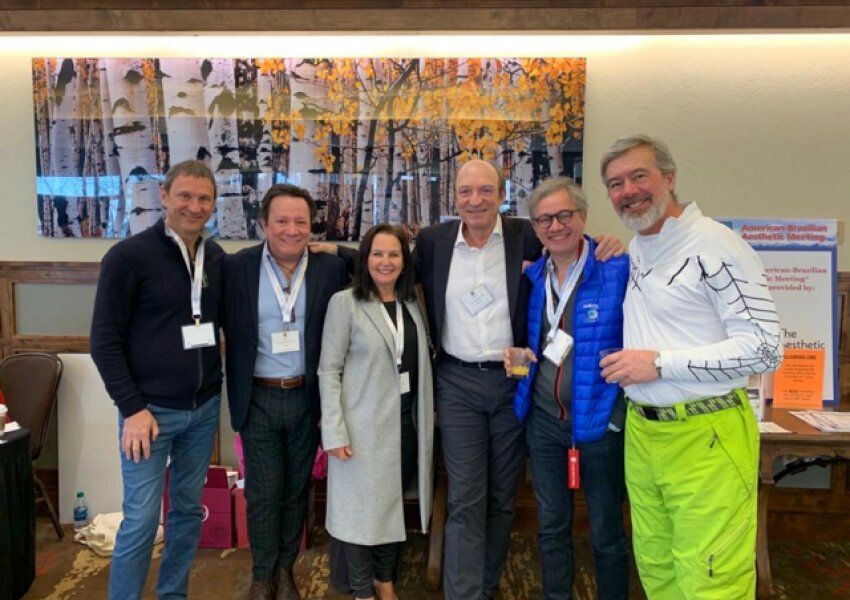
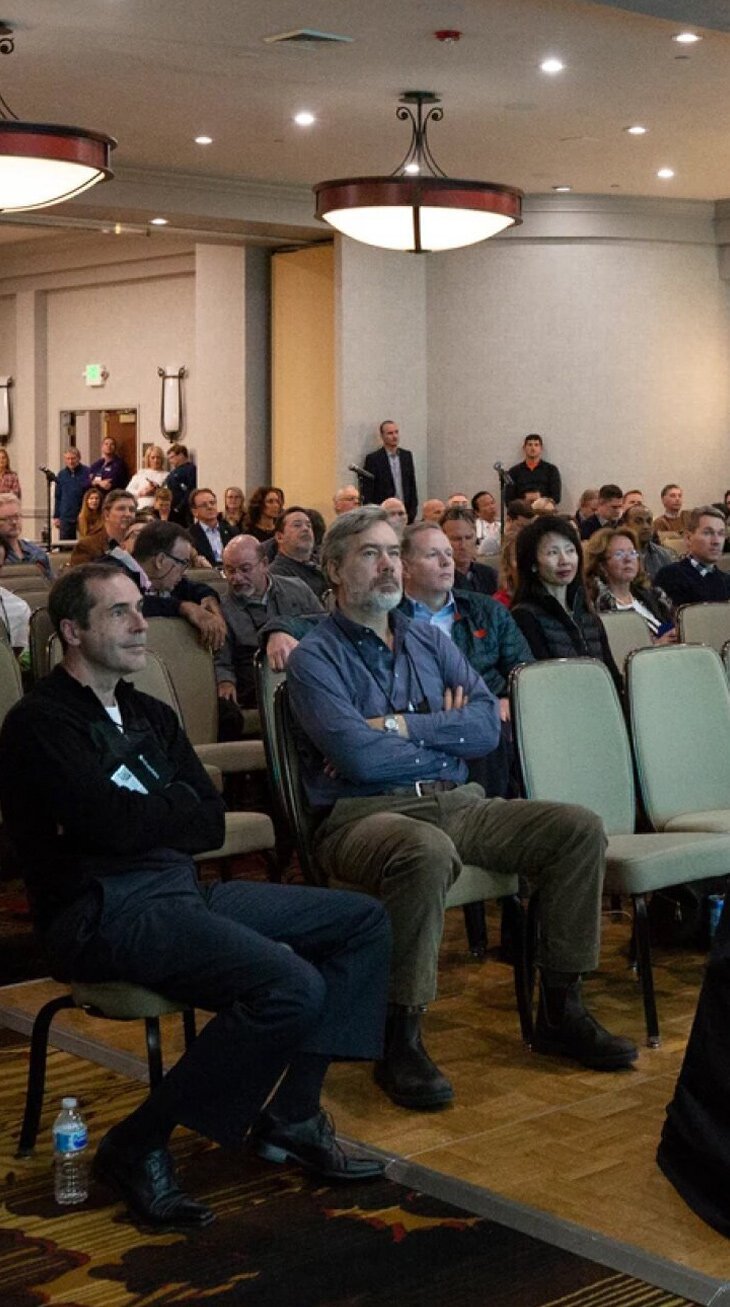
The speakers and the people attending take part in the same educational sessions, social events, meals, and are located in the mountain area. The questions that are raised during a presentation can be discussed afterwards. A short introduction may develop into an in-depth clinical conversation or lead on to future collaboration.
One of ABAM's key strengths is that its attendees are able to interact with established faculty as peers and take an active role in the exchange of ideas.

In the past ABAM has accepted participants from over 20 countries, there being a particularly strong community from the United States and a significant international presence.
The nightly social events, the tradeshow, the shared meals and the more informal meetings make it simpler to meet people outside of a scheduled lecture. At these events plastic surgeons have the opportunity to reestablish contact with their long-time colleagues, build up relationships with their peers from other countries, talk to people who make decisions in the industry, and find possible partners for educational or research purposes.
People stay because the professional community has a personal touch. The meeting provides an atmosphere in which serious scientific discussion and true friendship can both emerge.
ABAM is known as the largest meeting in the world devoted to plastic surgery and aesthetic surgery, and the educational sessions held in the morning and afternoon are separated by breaks in the middle of the day, which gives the attendees the opportunity to explore Park City without having to leave the scientific program.
People who are skiing or snowboarding can go straight from the Grand Summit Hotel to the mountain, while other attendees may use the time to explore the resort, meet up with their colleagues, relax, or visit Historic Main Street and the surrounding area.
Skiing is included in the ABAM tradition, but it is by no means a requirement. Park City has a variety of restaurants, shopping facilities, arts venues, spas, attractions from the Olympics, and winter activities to cater to different interests. Spouses, guests, and families are welcome to make use of the destination while the meeting is taking place.
ABAM is an educational meeting operated by a nonprofit organization, and its effects last beyond the last session. The net proceeds go to the Image Reborn Foundation, which offers free healing retreats and continued community support for breast cancer survivors.
Dr. Renato Saltz set up the foundation since he realised that women generally get good medical treatment for the physical effects of breast cancer but their emotional needs are given less attention.
Members of the plastic surgery community can help advance this objective by taking part, providing teaching, exhibiting, or forming partnerships with ABAM.
Expand your perspective through international education, hands-on learning, direct faculty access, and conversation with colleagues across the global aesthetics community.
Join ABAM in Park City for a plastic surgery meeting designed to advance knowledge, encourage collaboration, and build professional relationships that last.
Although ABAM places a strong emphasis on aesthetic surgery, it’s a meeting that involves a number of different disciplines. The faculty and participants come from the fields of plastic surgery, dermatology, facial plastic surgery, oculoplastic surgery, nonsurgical aesthetics, practice management, and the aesthetic industry.
Certainly. Invitations are extended to residents, fellows, and medical students. Furthermore, ABAM provides emerging physicians with the chance to exchange ideas and become known to an international professional audience.
The program can offer injectable anatomy workshops, learning based on cadavers, live demonstrations of the devices, and a number of other interactive sessions. The availability and the requirements for registration differ from year to year and should be checked via the current program.
Eligible attendees might have the opportunity to receive credit. The current details regarding credit and information on eligibility are included in the annual program.
No. The educational program is the center of the meeting. The midday schedule allows attendees to ski, explore Park City, meet with colleagues, or relax between sessions.
The 19th annual American-Brazilian Aesthetic Meeting will be held February 4–7, 2027, at the Grand Summit Hotel in Park City, Utah.
The American Brazilian Aesthetics Meeting in Park City, Utah, is an experience you won’t want to miss. Through fun and friendship, we aim to revolutionize the field of plastic surgery by introducing new minds to the international stage while giving back to a worthy cause. Register today to join the mountain of excitement.